Imagine navigating New York City now using a map from 1930. Some roads are no longer in use. Some have changed their names. The scale is incorrect. You would be lost. With GDP, we’re accomplishing just that. It’s an outdated economic metric designed for a bygone era. We continue to use it, somehow, to gauge economic performance in 2025.
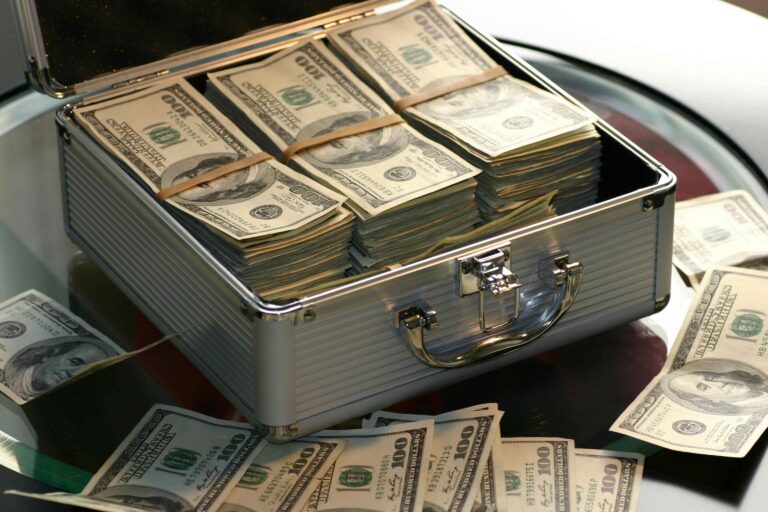
The total amount of money moving through a nation is its GDP. The number increases as people spend more money. It increases once again if businesses make more money. You guessed it: the GDP increases as the government spends more. The problem is that it doesn’t care who made the money, what was bought with it, or whether anyone’s life genuinely improved.
Meet the Man Who Created The GDP Metric
The concept of Gross Domestic Product (GDP) was developed back in the 1930s by Simon Kuznets. His research in economic growth and income inequality earned him a Nobel Prize for Economics (and rightly so). He created it only to help the US government understand the level of production that happened during the great depression. It was never meant as a primary indicator of living standards or economic growth. Kuznets himself warned not to treat GDP as a score for economic growth. GDP only tells part of the story and he knew it. However, over time, both politicians and economists love the simplicity that’s built around a single indicator. They liked having this one figure giving the impression that everything was right.
What GDP Tracks and Ignores, and why it’s still a popular economic indicator
The GDP takes into account every dollar spent or earned. Regardless of the purpose or outcome.
- An oil spill? The cleanup adds to GDP
- A 3rd world dictator builds a multi-million-dollar monument of himself – its included in the GDP
- A Ponzi scheme defrauding citizens out of millions of dollars – counted as economic activity
- A government takes on huge debt to host the Olympics – GDP reaches the stratosphere
- Community building and volunteer work that adds value to and enriches lives? – ignored
You might be beginning to see why politicians like the GDP so much (and can you blame them?). The economy grew last year by 3.5% sounds like a really good headline. Changing this system would take a lot of work. Too many global institutions — like the World Bank and IMF — are built around GDP. It’s easier to stick with what we know, even when it no longer works.
So, why many nations are still using GPD in 2025?
So if GDP doesn’t work you might ask what works? Glad you asked.
Better Economic Metrics
Better indicators of economic and societal output do exist. Here are a few:
- Human Development Index (HDI): Includes life expectancy, education levels, and income
- Genuine Progress Indicator (GPI): Subtracts things like pollution and crime from growth
- Gross National Happiness: Bhutan’s unique system focused on well-being (Yes it’s a thing)
- OECD Well-being Index: Tracks safety, mental health, social support, and trust
These systems may not be perfect, but they try to measure more than just monetary values and focus on outcomes.
Time for a Change?
The GDP is an indicator of productivity within a nation. But it should not be the only number that countries are benchmarked against. There are better questions to be dwelt on like; Are people doing better? Are we building things that last? Are we heading in a direction that makes sense? Because a rising GDP doesn’t mean rising happiness. It doesn’t mean less stress, more freedom, or a fairer future.
We have outgrown the old map. It’s the 20s. We have Google Maps now.